


Hand-Pulled Rickshaws: The Final Page of a Kolkata Narrative
- lettersfromkolkata
- Sep 12, 2025
- 5 min read

Updated: Sep 19, 2025
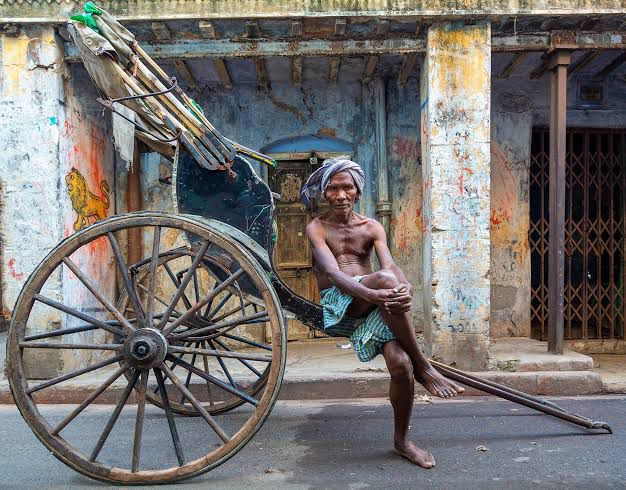
Head out into the bustling streets of North Kolkata on a foggy morning, and you may be surprised to witness one common sight that continues to amaze both residents and newcomers alike—the wirily disheveled man in a plain lungi, where he is straddling the simple wooden handles of a hand-pulled rickshaw and travelling through the crowd amidst the puddles, with the slap of his bare feet on the aged asphalt. The hand-pulled rickshaw is a living paradox in a city that endlessly contorts nostalgia and modernity, and still persists in a city thriving with honking yellow cabs, battery rickshaws, and nimble buses. https://en.wikipedia.org/wiki/Pulled_rickshaw
The Pathway to Rickshaw: A Colonial Relic
The hand-pulled rickshaw has a complicated legacy in Kolkata. Prior to rickshaws, the upper caste wealthy citizens roamed the city strapped securely in luxuriant palanquins, carried aloft by four bearers - a representation of elite status. With the establishment of the British Raj, the thirst for greater efficiency and order replaced the palanquin. Built in Japan during the later half of the 19th century, the rickshaw traveled from Japan to British-occupied Calcutta and through China before making its way to the then British-controlled city. Once the rickshaw arrived in this busy Calcutta, they readily replaced palanquins for expedient and highly maneuverable city travel. https://en.wikipedia.org/wiki/Pulled_rickshaw
Legalized by the Hackney Carriage Act of 1919, hand-pulled rickshaws became a part of colonial life, transporting British officials, aristocrats and wealthy Bengalis while at the same time inextricably tying them into the complex socio-economic system that existed, a "human-powered vehicle" pulling yet another and often across the same streets that would later define strident movements for independence and dignity.

The Rickshaw Runner: Stories From the Wheel
Beneath the wooden framework, bright paint, and rubber-topped roof, the soul of the rickshaw is embodied by the resilient men - rickshaw-wallahs, most from neighbouring states like Bihar or Odisha, or migrants from Bangladesh during the Liberation War of 1971.
These men are beacons of silence as they witness the rapid changes happening to the cadence of Kolkata's historic roots. They begin their workday at dawn, winding through the stillness of sleepy lanes to ferry children to school, grocery items to families' homes, and office workers to their nearest tram stop. During the monsoons, when Kolkata's streets are filled with knee-deep water, rickshaws are the vital link within the city as they transport passengers above the swirling floodwaters to places of worship, bustling markets, and ailing hospitals. https://www.theguardian.com/cities/2015/feb/12/breathless-days-pulled-rickshaw-kolkata-india
On slow afternoons, you might witness a rickshaw-wallah resting on his cart in the shade of a peepul tree. He is hardened and lean from decades of toil, his hands callused from years of pulling or pedaling, his eyes showing a thousand journeys across a city built a century before he was born. For many of the wallahs in Kolkata, the rickshaw is their bread and their home. Some of them sleep in the carts at night; their lives circled by the creaks of wheels and the clang of Kolkata's night trams.
An Image Loved and Debated
Few images are as much Kolkata as a hand-pulled rickshaw winding between the alleys, with a bright red-and-blue canopy defending the puller from sun or rain. For tourists, a hand-pulled rickshaw is as much Kolkata as the Howrah Bridge or Victoria Memorial. International visitors take pictures, hoping for a ride soaking in the "Calcutta nostalgia" they have heard about or read in books and seen in Satyajit Ray movies. https://www.indiatoday.in/india/story/kolkata-s-battle-against-waterlogging-1757489-2021-01-15
This nostalgia, however, rests uneasily. Human rights advocates and opponents have called the hand-pulled rickshaw inhumane. They argue that rickshaws are a vestige of colonial oppression that bespeaks exploitation and poverty. There is always a lively discussion about dignity and rights for rickshaw pullers. It is common in city newspapers to hear about the rights of rickshaw pullers, examine the ethics of "man-pulled vehicles," and debate whether or not to ban the rickshaw or update it. Authorities have considered many ways to ban or modernize the rickshaw over the decades, trying to relocate pullers into alternative work and transforming rickshaws into cycle rickshaws or battery rickshaws too. https://www.kolkataheritagetours.com/
On the other hand, many advocates of rickshaws (including many pullers) ask why they cannot continue to exist. For families that have relied on rickshaws for generations, this centuries-old profession helps them to survive, often financially better than other urban precarious forms of unskilled labor. Relying upon a rickshaw includes flexibility, although it importantly does not assure comfort.

The Rickshaw in Everyday Kolkata
In many ways, hand-pulled rickshaws are still specifically adapted to the tangled, twisting architectural maze of narrow alleys and waterlogged yet-worn paths that exist in old Kolkata, which, ironically, is where modern vehicles have the most trouble. They do mundane yet vital responsibilities, like taking goods around small wholesale markets, people who are elderly and do not want to take the chance of slipping in the rain, or protecting bridal sarees from mud on the ground during the frenzy of a wedding. https://www.irena.org/publications/2018/Nov/Sustainable-transport-An-overview
For some people, the rickshaw ride is about connection: a slow-paced rhythmic trundle and the chance to take in old houses with peeling paint and the smell of telebhaja on a frying pan, and the other distant echo of Rabindra Sangeet from a radio. The rickshaw creak is the beat of the city and a reminder that Kolkata existed before the skyscrapers overhead.
Vanishing Wheels: An Era of the Past?
Today, numbers are diminishing. Current estimates range at about 6,000 hand-pulled rickshaws still functioning in the city, that is - a fraction of numbers past decades ago. The likes of modernization, economic uncertainty, and local government regulation have led to the deficiency of rickshaws. Rehabilitation projects for pullers are intended to eventually train rickshaw pullers into other job roles - and as now these jobs are obtainable by younger generations who no longer want to be rickshaw pullers and seek new jobs with new opportunities like stops in shops, construction awaited for rideshare opportunities. https://www.worldbank.org/en/topic/transport/publication/india-urban-transport-policies
But these rickshaws already have turf to have and places to call home - in any case - as real as day; no matter how grim the future looks in a comparison - for every lane without a rickshaw there are roads or lanes where they are still necessary and functional, and sometimes more importantly when monsoon season, and festivals happen.
Depicting the Soul: Photographers and Artists
Photographers and filmmakers, even the authors of novels, have documented hand-pulled rickshaws as more than just a way of getting from point A to point B; they are a way of life. Like photographers in Kolkata chasing light and shade at dawn as a rickshaw flies down the bylanes. What writers capture are conversations overheard on a late-night ride, or the tacit dignity in the drooping eyes of a rickshaw-wallah observing his city materializing like a miracle for Durga Puja; everybody on the streets is wide awake, unlike him. https://timesofindia.indiatimes.com/topic/kolkata
The Last Round?
Will the rickshaw bear forth into the next decade? One question that many Kolkatans occupy their mind with. City officials are clear that rickshaws will no longer be a common sight; next will be e-rickshaws and newly created bike lanes. Supporters of the rickshaw for heritage, on the other hand, imagine an army of hand-pulled rickshaws headline an encapsulated memory of history, a carefully curated and highly regulated number courtesy of the history, tourists, and neighborhoods that still depend on them; the everyday kind are becoming smaller and smaller.
Maybe the answer lies in between, a controlled winding-down while memories linger nostalgia, firestorms, collective consciousness; a city refuses to untangle its story. https://streetphotography.com/articles/photographing-rickshaw-pullers-in-india
Conclusion: A Rolling Legacy
Hand-pulled rickshaws serve as not only a link to the past, but to the essence of Calcutta that is resilient, fractious, and endlessly interesting. They carry a past both heavier than its passengers, as they offer narratives of migration, hardship, hope, and identity. https://www.hrw.org/report/2013/11/12/slavery-modern-times/forced-labor-rickshaw-pullers-kolkata
The next time you find yourself lost in old Calcutta and you hear the soft roll of wood from the wheels of a wagon, consider pausing to appreciate the moment. Behind that plate cart, there is a resonance of a century, the narrative of a city and a people clinging to their last chapter while racing toward the next.


Comments